

Heat Stress in Fescue
As temperatures continue to rise and rainfall becomes less consistent, many homeowners start noticing changes in their lawns. Brown patches, thinning turf, and a dull appearance are all common signs of heat stress in fescue lawns during the summer months.
Fescue is a cool-season grass, which means it thrives in cooler temperatures and naturally struggles during periods of intense heat and dryness. Heat stress in fescue becomes especially common when temperatures consistently climb into the upper 80s and 90s. During these periods, your lawn begins using more water than it can naturally replace. Without enough moisture, the grass becomes stressed and may begin turning brown or entering dormancy.
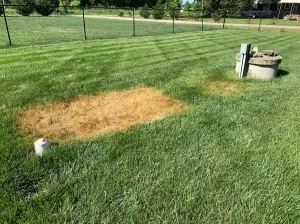
One of the most important things you can do to help prevent heat stress in fescue is water properly and consistently. Most fescue lawns need approximately 1–2 inches of water per week depending on temperatures and weather conditions. The best time to water is early in the morning, ideally around sunrise. Morning watering allows moisture to soak into the soil while giving the grass blades time to dry throughout the day, helping reduce disease pressure.
Many people believe they cannot properly water without an in-ground irrigation system, but that is simply not true. A hose and sprinkler setup can still be extremely effective when used correctly. The key is watering deeply and less frequently rather than watering lightly every day. Deep watering encourages stronger root systems, which helps fescue better tolerate summer heat stress.
Understandably, not every homeowner is able to water regularly. Some homes are on wells and need to conserve water, while others may simply not have the time or ability to irrigate their lawn through the hottest parts of summer. The good news is that in many cases, heat stress in fescue will cause the lawn to naturally go dormant during extreme heat and drought. Dormant grass turns brown as a way to protect itself, but that does not necessarily mean the lawn is dead. Once temperatures begin cooling down consistently and rainfall returns, many dormant fescue lawns will green back up on their own.
Check out the links below to our helpful watering videos where we explain how to properly water with an in-ground irrigation system, how to water using a hose and sprinkler, and other helpful lawn care tips to help your lawn survive summer heat stress.
While summer can be stressful for cool-season turf, understanding heat stress in fescue and following proper watering practices can go a long way in helping your lawn recover and stay healthy. If you ever have questions about heat stress in fescue, watering, or what your lawn may need during the summer months, our team is always happy to help.


Thank you guys for the tips. I go through the heat stress situation every year. Maybe this year I’ll have it beat.