Overseeding Before Rain
Overseeding before rain can result in a fine line being drawn between something that will benefit the result of a fall seeding and something that will wash all of your fescue seed away. Taking the necessary short and long term aftercare of seed and baby grass is an important consideration when determining how to overseed a lawn, but heavy rain after seeding can throw off all of the best laid plans. Unfortunately, overseeding before rain cannot always be controlled, especially fall seeding lies in the peak of hurricane season. There are certain variables that impact how at risk a lawn is of negative consequences from heavy rain after seeding as well as a range of results that a homeowner can expect.
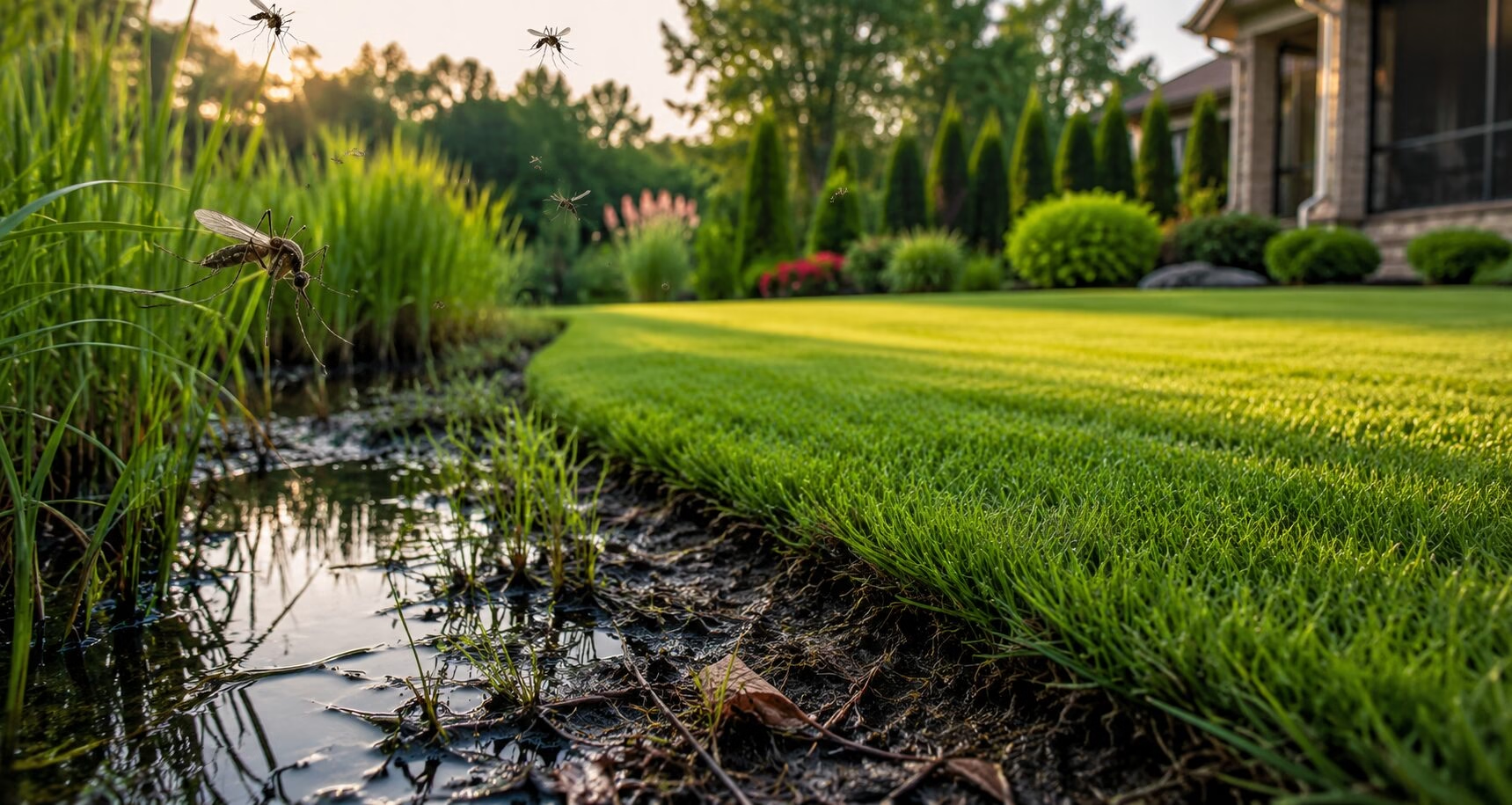
As anyone who has experienced a year or two of Virginia rains can agree, the Greater Richmond area sees pretty much every type of rain imaginable. Some rain is good for lawns, including when they have just been seeding. This “nice rain” happens in the morning or in the daytime and is a quiet, steady drizzle that falls slowly enough that it can soak in with little to no runoff. However, we get just as much or more “bad rain” each year. This is the rain that only lasts for half an hour or so and pours heavily, usually at night, is mostly lost to runoff, and can heighten the risk of fungus development.

During the summer, the greatest consequence of bad rain is the risk of fungus. Erosion is a potential issue for a poorly established lawn, but it is low on the list of summer problems. If anything, homeowners and turf management professionals alike are usually doing a rain dance since rain carries a lot of valuable nutrients that you cannot supplement with irrigation water. Once that fescue seed goes down after a fall seeding service though, overseeding before rain all of a sudden can be as much of a threat as an asset.
Fescue seed takes at least a week to begin germinating. Once it germinates, it then remains fragile and sensitive for roughly a full month and requires very careful tending to maximize on its successful development. This first month, but especially the first week, after fall seeding is when a lawn is most at risk of long term setbacks caused by the hurricane season or any other kinds of heavy rains.
The degree of risk to a newly seeded lawn that rain can pose doesn’t just depend on how heavy the rain is, but also the state of the lawn in question when overseeding before rain. Areas that are starting out as thin or bare are at greater risk of the seed being disturbed because there is not a thick stand of adult turf holding the seed in place. This is why core aeration is ideal for lawns that have bare areas when considering the option of liquid aeration. Similarly, steep slopes and other aspects of grading that create a higher chance of runoff anyway are similarly at risk of having seed disturbed by heavy rainfall.

If seed is disturbed as a result of heavy rain after seeding, it is less likely to completely disappear as it is to just get relocated. When enough rain falls that it cannot be absorbed by the soil quickly enough, it will pool on the surface. Fescue seed floats, which means that this pooling pulls the seed off of the soil surface and lets it drift into piles wherever the pooling water runs off or the seed finally catches on adult grass or other obstacles. This results in irregular growth patterns in the lawn. Where the seed was removed by the water, thin and bare areas are more likely to be seen the following season. Where the seed settled after drifting, the grass is likely to grow in too thick, a lawn problem that is difficult to maintain and will eventually smother itself out.
The best thing that a homeowner can do to reduce the risk of negative consequences from overseeding before rain is to understand their lawn’s variables and watch the forecast. If you have a relatively level lawn with thick, established turf, your seed is at low risk of issues, and hurricane season is unlikely to be as much of a problem. However, if part or all of your yard is mostly thin and bare, and/or you have areas that are steep and prone to runoff, it is vital to be mindful of when your fall seeding is done and how it relates to the long term forecast.
Unfortunately, the unpredictable consequences of the weather are the reason it is so difficult for even the most professional and respected turf management companies to guarantee the results of their services. A lawn care company should guarantee that they are using high quality seed and equipment, but they cannot and should not guarantee a replacement of seed if it falls victim to weather patterns that they cannot predict or control. If you have concerns about the forecasted weather and the scheduling of your fall seeding service, it is always best to contact your service provider to discuss your concerns about overseeding before rain and find the best solution for your lawn.